The Work.
Documented.
Every job below is a real repair with real outcomes. Symptom to teardown to result — no marketing, just iron and evidence.
Catastrophic Injector Failure — 6-Cup Swap
“She started misfiring around mile marker 84 on I-80. Thought it was bad fuel. By the time I limped her into the yard, she was down on power and throwing black smoke out the stack like a chimney fire.”
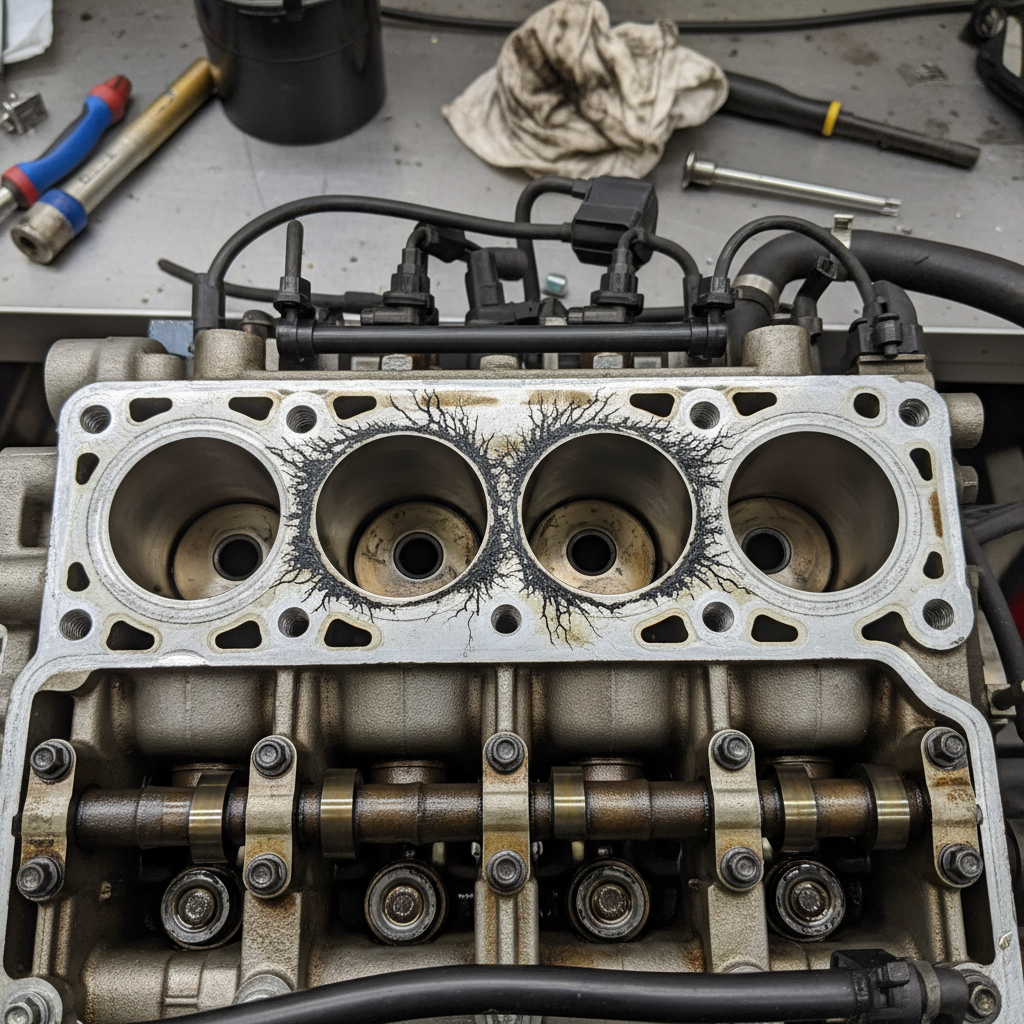
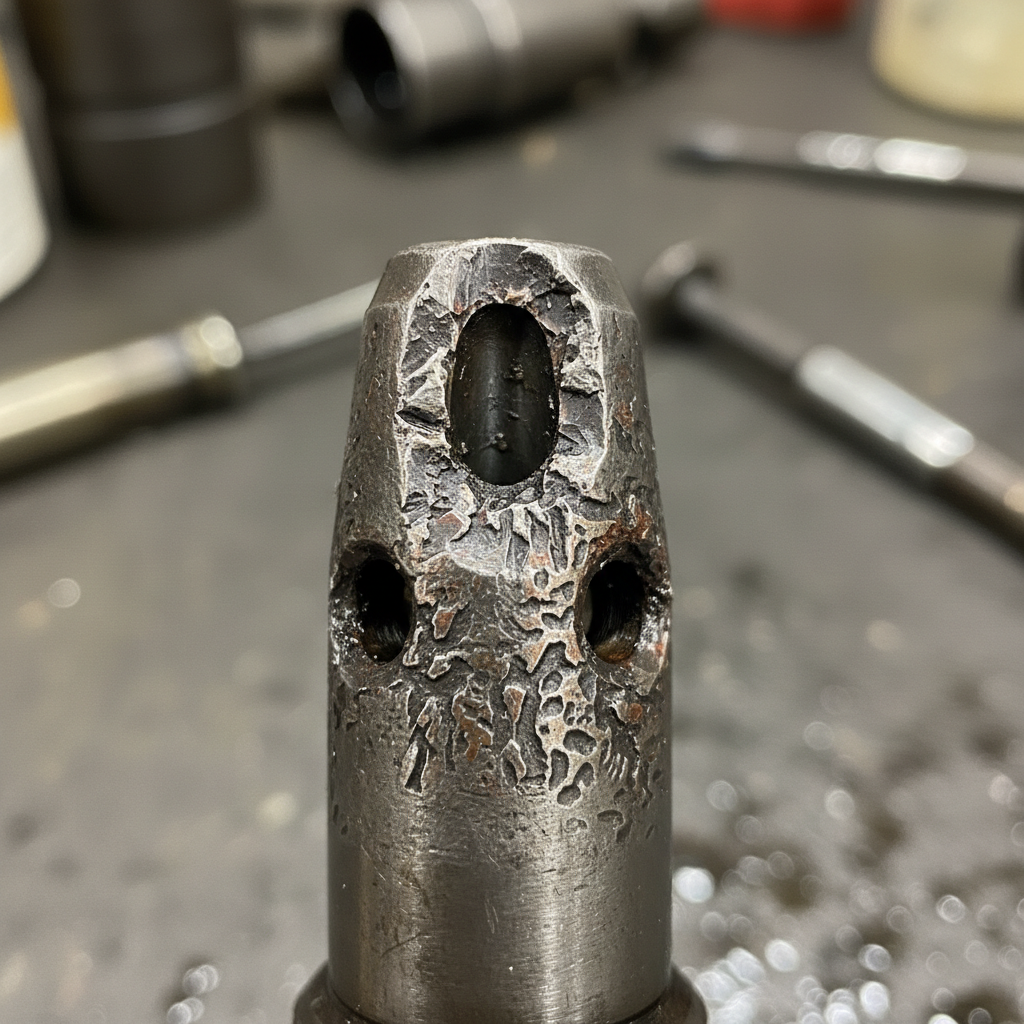

Injector cup erosion allowed combustion gases to bypass the cup seat, causing coolant contamination in cylinders 3 and 5. The ISX15 is known for cup-seat failures above 600k miles when coolant maintenance intervals are stretched.
Full 6-cup replacement using Cummins OEM cups with updated cup-seat tool. Cylinder head removed, all seats recut to spec. New OEM injectors installed with torque-to-yield head bolts. Coolant system flushed and pressure tested to 30 PSI.
Replacing only the failed cups risks a callback within 60k miles. The labor to access the head makes full replacement the only defensible choice for a truck running 120k miles per year.
Road test: 482 miles, no codes. Dyno: 485 hp / 1,850 lb-ft — within 2% of factory spec.
Truck returned to service. Dale ran her 11,000 miles before first check-in call.
Spun Rod Bearing — Full Bottom-End Rebuild
“It started knocking at idle about three weeks ago. I thought it was just a valve tick. I was wrong. By Sunday morning it sounded like someone dropped a socket wrench inside the block.”
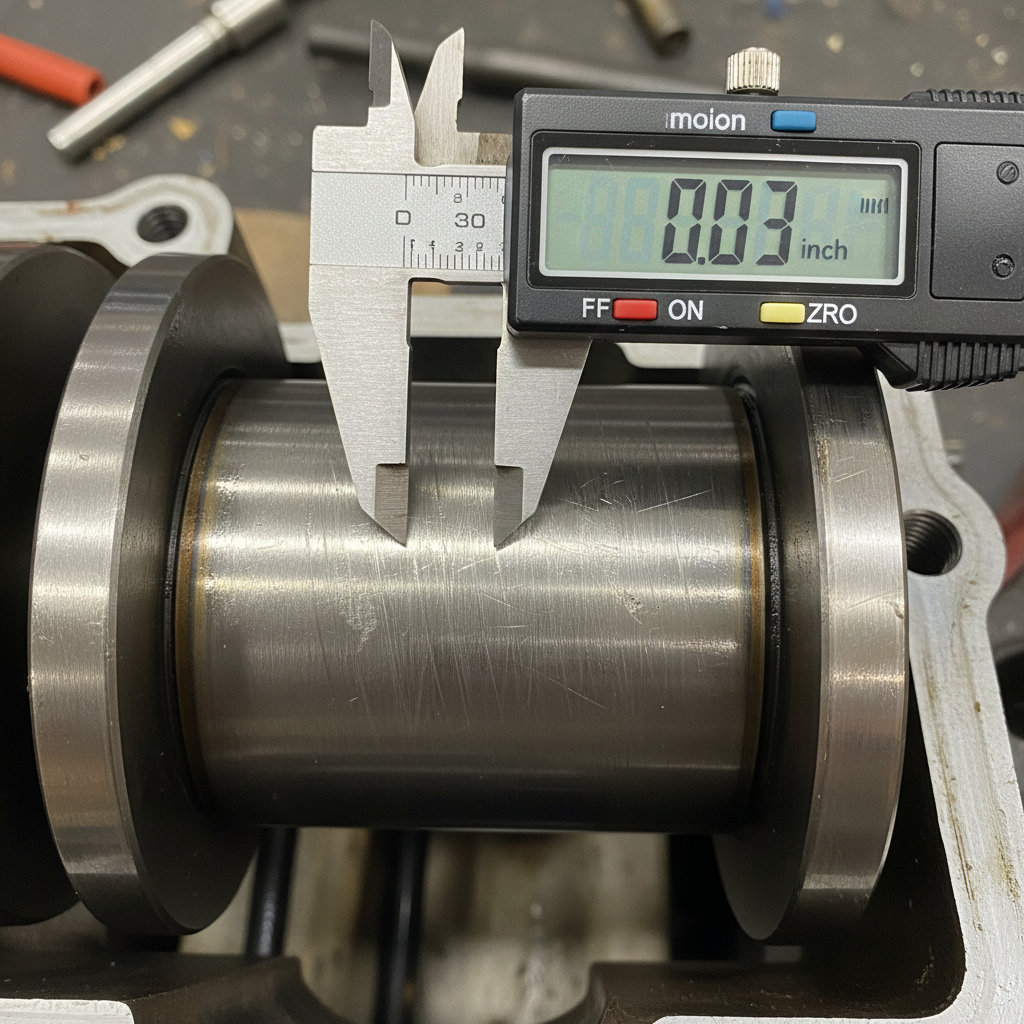
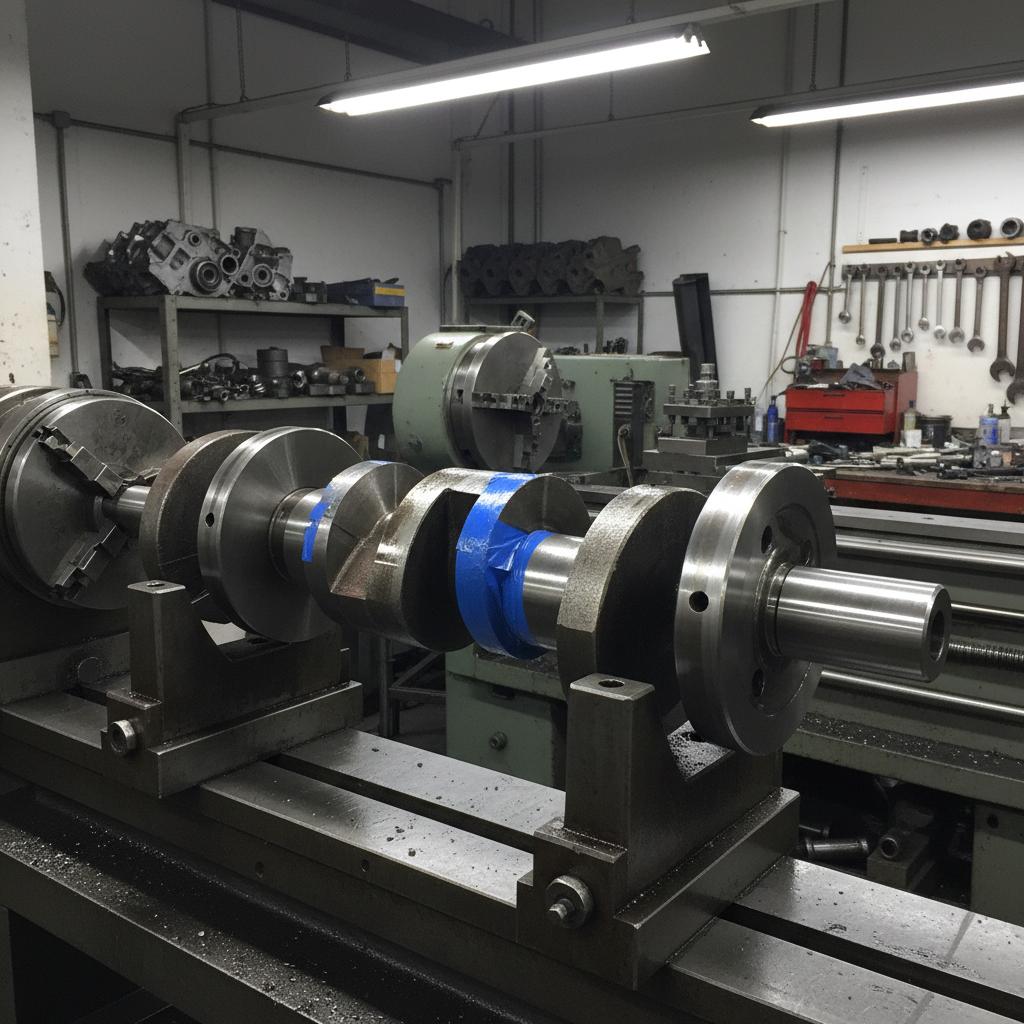
Oil analysis showed extended drain intervals had degraded the film strength. The LML crankshaft runs tight journal clearances from the factory — 0.0015" nominal — which leaves no margin when oil viscosity drops. Journal #4 scored to 0.003" out-of-round, beyond in-spec tolerance.
Crank pulled and sent to machine shop for 0.010" undersize grind on all rod journals. New ACL Race Series bearings installed at 0.0020" clearance. All 8 rods inspected for distortion — #4 replaced. New ARP rod bolts throughout. Assembly lubed with Clevite assembly paste.
Grinding undersize and using high-spec bearings costs less than a replacement crank and delivers tighter tolerances than factory. ARP rod bolts eliminate the stretch risk inherent in OEM torque-to-yield bolts on a rebuilt assembly.
Oil pressure at idle: 42 PSI (spec: 35–65). No knock at any RPM. Delivered with documented oil analysis baseline.
Marcus put it back in rotation within the week. No callbacks in 14 months.
Compound Turbo Failure — Both Stages
“Lost boost pressure climbing out of a canyon. Gauge went flat, smoke out the back. The dealer wanted $9,400 and a three-week wait. I called Torque instead.”
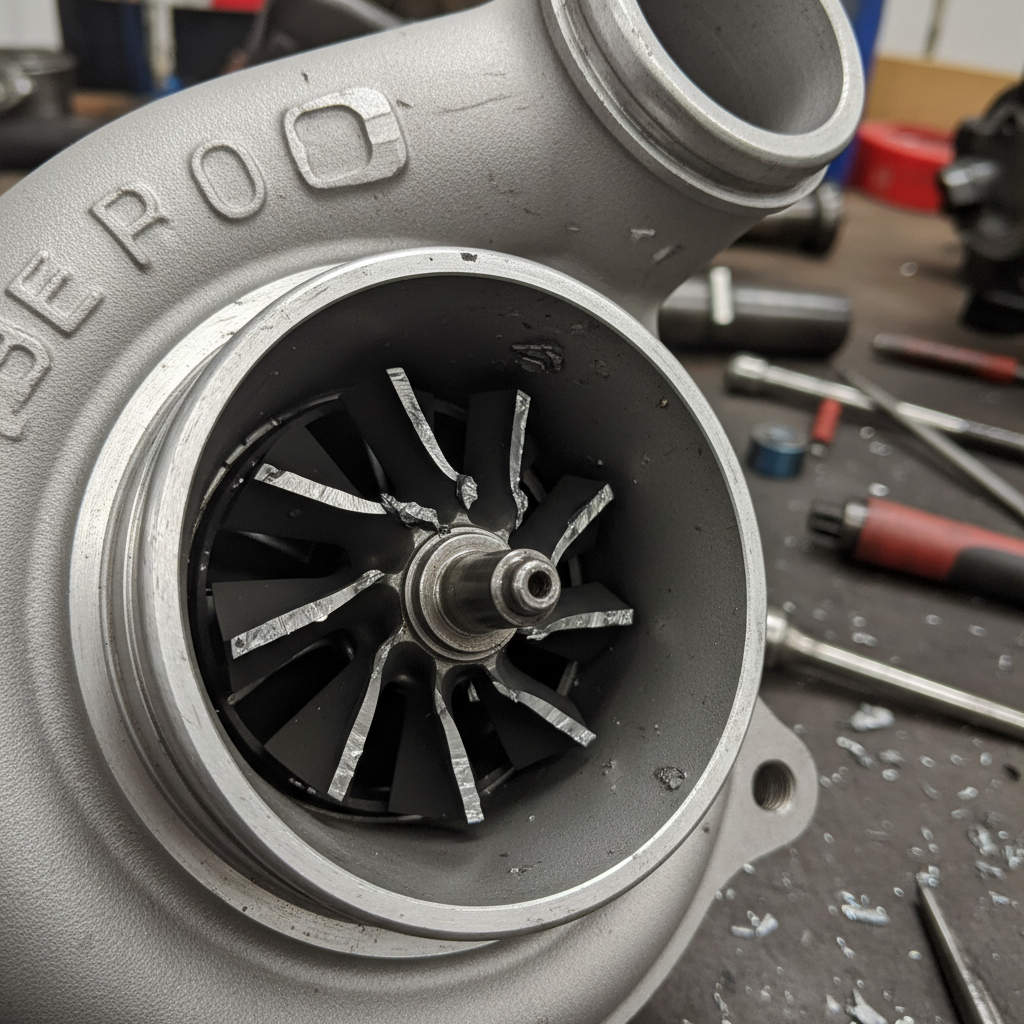
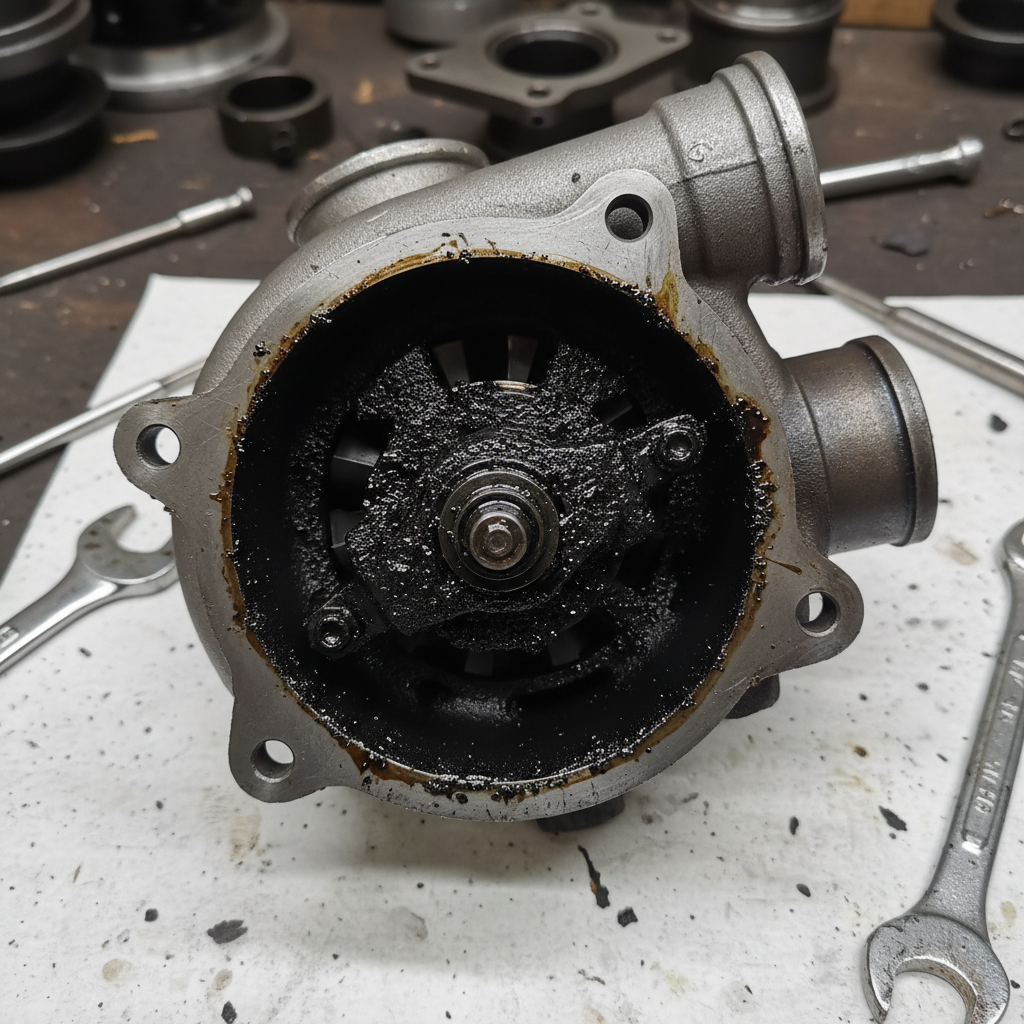
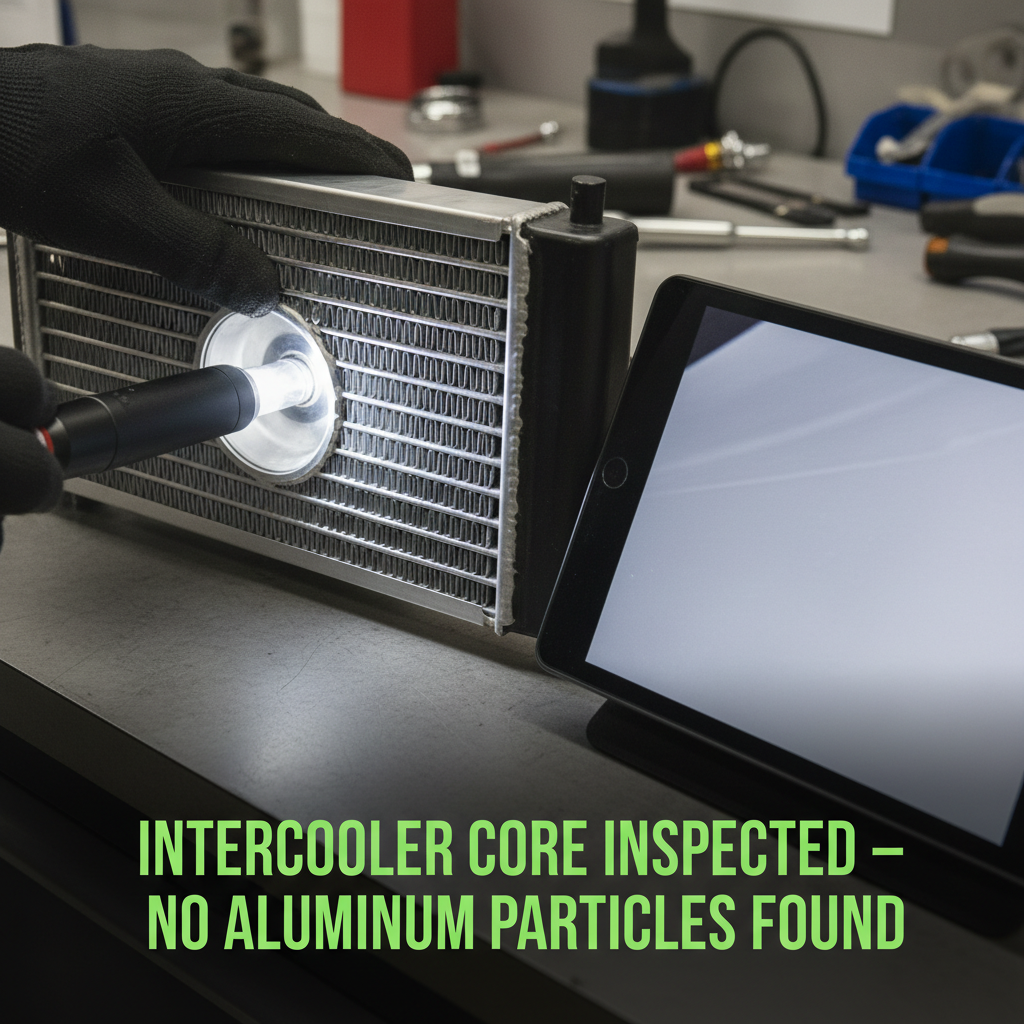
The 6.7 compound system fails sequentially — the high-pressure unit failed first due to a cracked wastegate actuator arm that caused overboosting. The resulting heat soak killed the LP turbo's center housing bearings over the next 8,000 miles. Both units were non-serviceable.
Both turbos replaced with Garrett OEM-equivalent units. Oil feed lines replaced (hardened from heat). Charge air system pressure tested to 25 PSI before reassembly. EGR cooler inspected — marginal but within spec, flagged for next service.
Rebuilt turbos on a compound system are a false economy — the labor to access them is identical whether you install a core or a new unit. OEM-equivalent Garrett units carry a 2-year warranty and arrive balanced to spec.
Boost pressure: 36 PSI at WOT (spec: 33–38). Zero smoke. Completed 280-mile road test with no codes.
Rhett's bill was $4,200. He's called back twice for routine maintenance since.
Head Gasket Failure — EGR Erosion Path
“White smoke at startup, coolant disappearing, and the DEF system started acting up. Three trucks down already this month. I needed this one back in two days.”
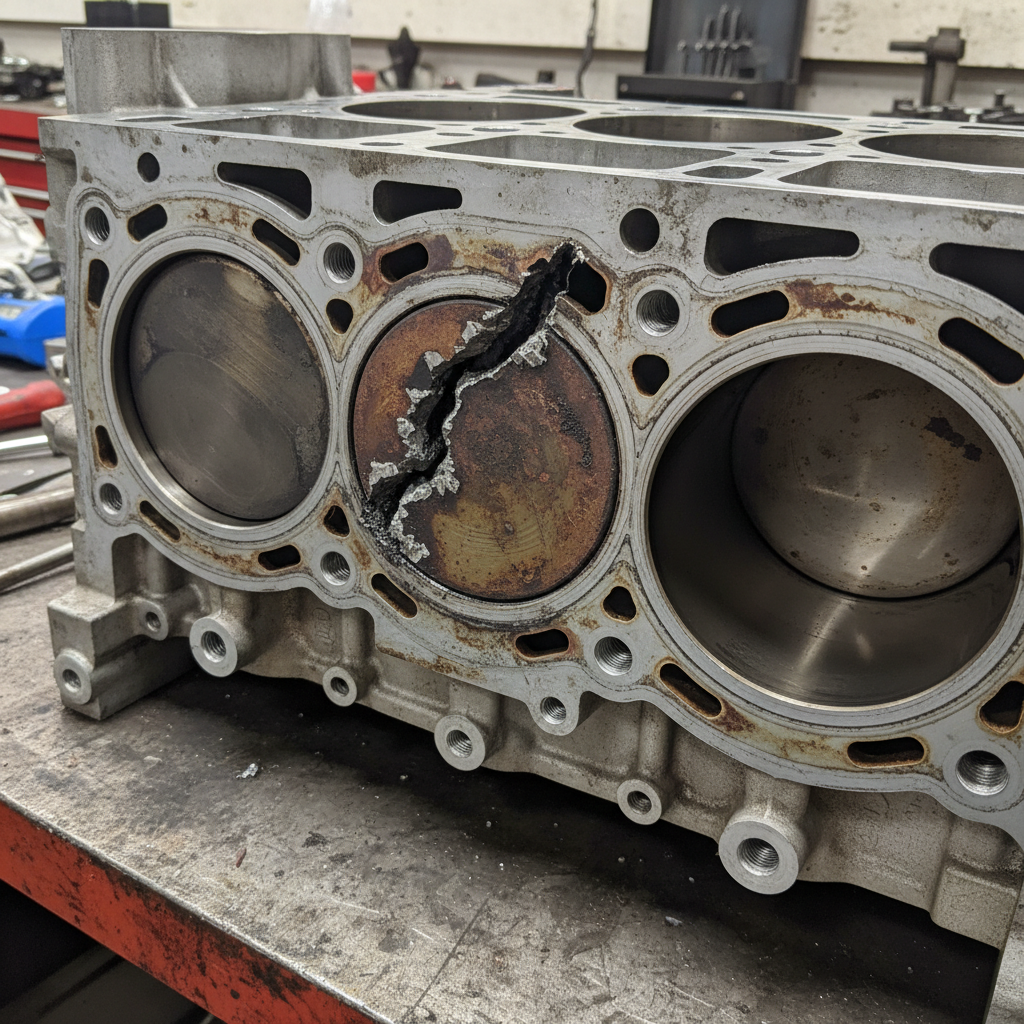

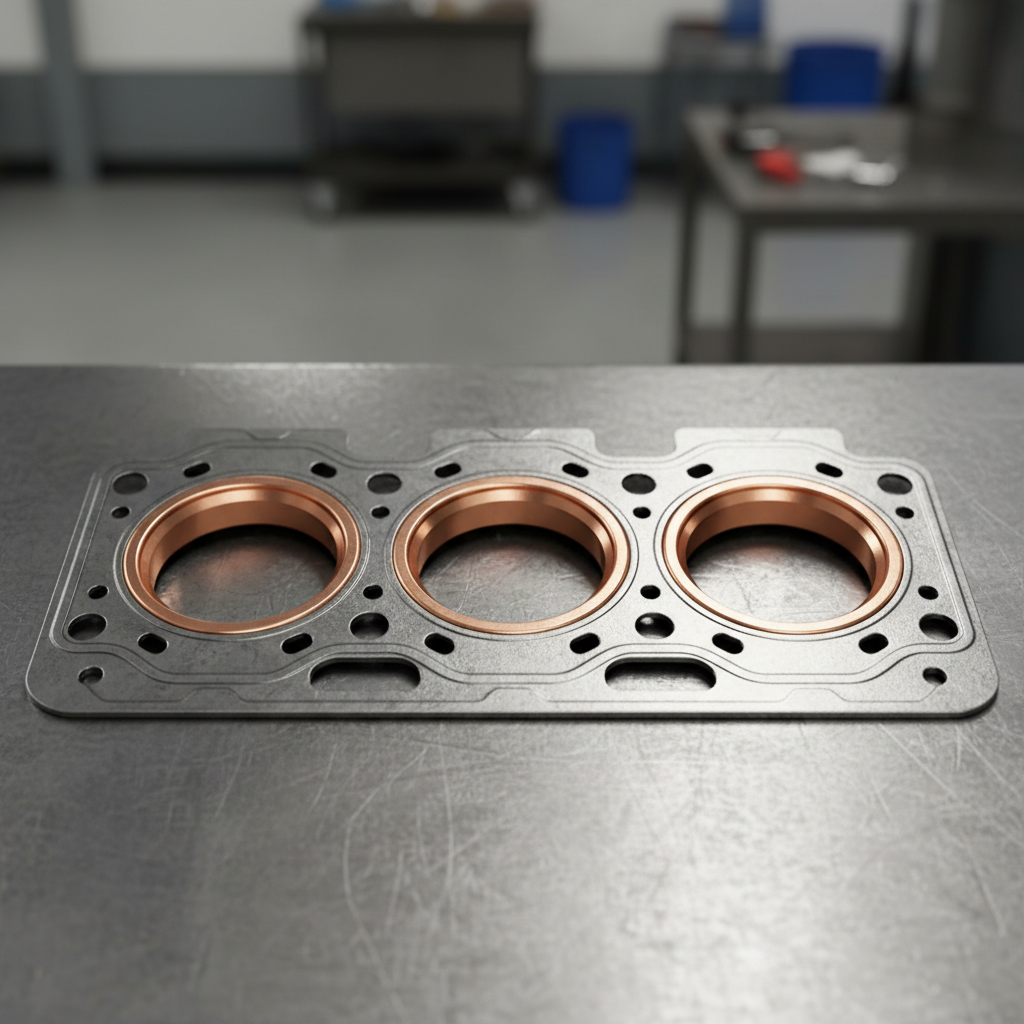
The DD15's EGR cooler routes exhaust gases across a vulnerable section of the head gasket. When the EGR cooler runs degraded coolant, the thermal cycling erodes the gasket fire ring between cylinders 4 and 5. This is a documented failure mode on high-mileage DD15s. Deck warp of 0.004" exceeded the 0.002" resurfacing threshold.
Head sent to machine shop for 0.006" deck resurfacing. New MLS head gasket with updated fire ring design (service bulletin #07-222-16). Head bolts replaced with new torque-to-yield set. EGR cooler replaced simultaneously — doing one without the other is a 90-day callback. Full coolant flush with Fleetguard ES Compleat.
The updated MLS gasket with revised fire ring geometry addresses the root failure mode. Resurfacing the head eliminates the warp that would cause the new gasket to fail within 50k miles. EGR cooler replacement is non-negotiable on this failure pattern.
Pressure test: 30 PSI for 45 minutes, zero drop. Coolant consumption at zero after 500-mile check.
Sandra had the truck back in 38 hours. It's at 180k miles on the new gasket with no issues.
Every Job.
Every Outcome.
17 years of documented repairs across every major diesel platform. Download the full record — 340+ jobs, every outcome listed.
340+ documented jobs as a PDF. Name and phone required.
Describe Your
Diesel Problem.
Tell me what it's doing. No forms to decode, no call center. I read every submission and respond within 2 hours during shop hours (Mon–Sat, 6am–6pm MT).